

The September that changed how I price NRL knockouts
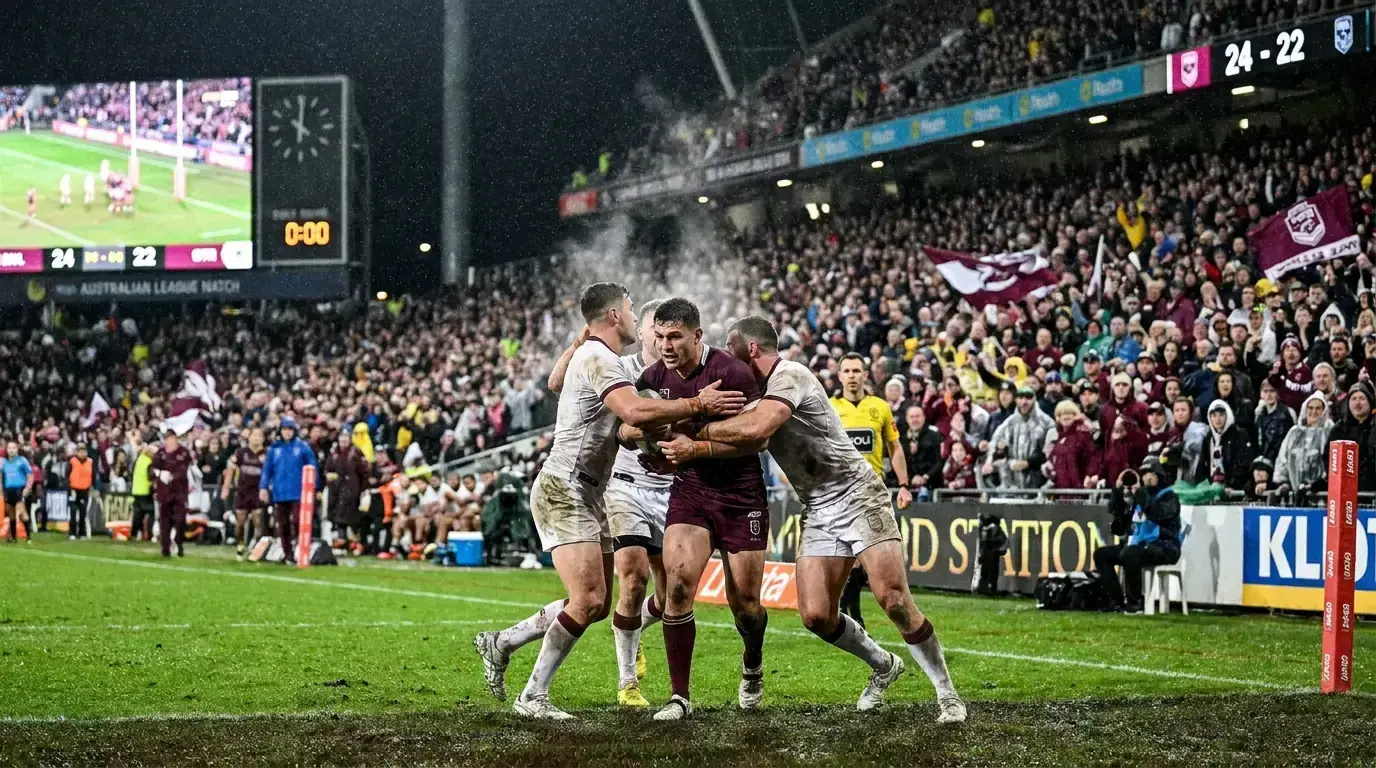
The first NRL finals series I tracked seriously, I assumed the regular-season top side would walk through the bracket. They were paying 2.20 to win the trophy in week one of the finals. By week three they were out, beaten in a preliminary final by a side that had snuck into the eight at sixth. The lesson stuck. Regular-season dominance in the NRL is a poor predictor of finals success, and the betting markets in early September consistently overprice the minor premier on a misreading of how knockout rugby league actually behaves.
NRL CEO Andrew Abdo summarised the league’s commercial position as more people watching, more people playing, with the underlying business reflecting those strengths. That commercial strength translates to deep, sharp betting markets across the regular season — and to a finals series where the casual money floods in and produces predictable mispricings the patient bettor can exploit.
The structure of the finals and what it produces
NRL finals run across four weeks: a qualifying and elimination round in week one, semi-finals in week two, preliminary finals in week three, and the grand final in week four. The top four regular-season finishers get a second chance — they can lose in week one and still progress through the elimination bracket. The bottom four finalists are single-elimination from the start.
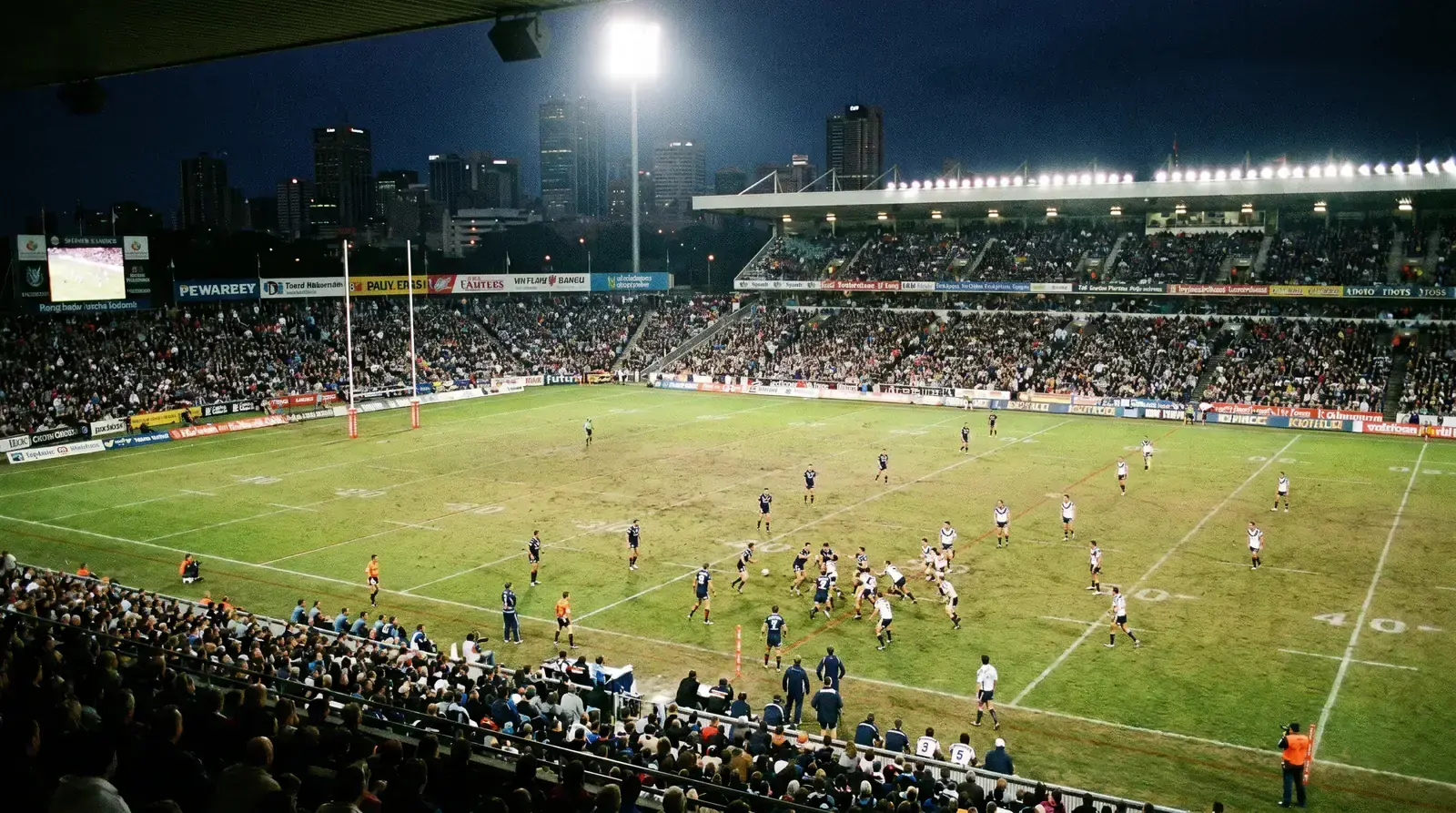
That structural asymmetry produces two distinct pricing dynamics. The top four are priced with the second-chance protection baked in — their outright odds at the start of the finals reflect the structural advantage of a longer path to grand final qualification. The bottom four are priced on single-elimination logic, which means their outright prices are typically longer and their week-one performance matters disproportionately.
NRL revenue in 2025 reached AUD 845.6 million, with AUD 520 million from licensing including sportsbook relationships. The volume of finals-specific betting money is enormous, and the operators set lines aggressively — but the structural complexity of the bracket means lines on the bottom-half finalists are often less efficient than the top-half lines, simply because the public attention focuses on the marquee top-four matchups.
The minor premier problem
The minor premier — the side finishing top of the regular-season ladder — is consistently overpriced at the start of the finals. The pattern across the past decade has shown roughly half of grand final wins coming from sides ranked outside the top two of the regular season. The bookmaker is aware of this but the public is not, and the early-finals outright market on the minor premier reflects public confidence rather than the underlying structural reality.
The mechanism behind the pattern is straightforward. A minor premier has typically dominated the regular season by maintaining consistency across all 24 rounds. Consistency is exactly the wrong attribute for single-elimination knockout rugby league, which rewards peak performance on three specific weekends rather than average performance across a long season. Sides that peaked late in the regular season — sometimes finishing fifth or sixth — frequently bring better form into September than the side that locked up the ladder in round 18.
The implication for outright betting: the minor premier is rarely the right pre-finals outright bet. The genuine value sits on sides that finished third through sixth with strong recent form, particularly sides that won their final three or four regular-season matches. The market underprices those sides because the public narrative anchors on the regular-season standings.
Week-one elimination dynamics
Week one of the finals contains two qualifying finals between top-four sides and two elimination finals between bottom-four sides. The qualifying finals are pricing exercises with second-chance equity baked in — the loser drops to week two but can still progress. The elimination finals are sudden-death from the start, and their pricing reflects that.
The pattern I track most carefully: elimination final underdogs at handicap lines. The underdog in a single-elimination match faces no incentive to play conservatively. The favourite often does, particularly if the favourite has had a tough regular-season ladder push and is managing fatigue. That asymmetry of motivation produces tighter margins than the bookmaker has historically priced, and elimination final underdogs cover the handicap at a rate above implied probability across multiple recent finals series.
Qualifying finals between top-four sides produce different dynamics. Both sides know they can lose and still progress, which can produce one of two distinct patterns. Either both sides play with full freedom because the stakes are reduced, producing high-scoring open matches — or both sides play conservatively because they want to preserve squad health for the rest of the bracket, producing tighter matches than the regular-season form would suggest. Reading which pattern applies to specific qualifying finals requires watching the coaching commentary in the week leading up to the match.
Preliminary finals and the bracket convergence
Preliminary finals are the most predictable round of the NRL finals series in pricing terms. By preliminary final weekend, the bracket has revealed who is in peak form and who is barely surviving. The lines reflect that information, and the closing prices on preliminary finals are typically efficient.

Where retail edge does still live in preliminary finals: in-play moves during the second half. NRL preliminary finals across recent seasons have consistently produced second-half opening-up as the trailing side throws expansion at the bracket-elimination scenario and the leading side either kills the contest or capitulates. Live totals from half-time often offer value on the over, because the bookmaker’s model is pricing the average match flow while the specific finals pressure tends to produce above-average second-half scoring.
The other angle worth tracking in preliminary final week: try-scorer prop markets for grand final qualification scenarios. The lines often reflect average match dynamics rather than the specific tactical incentives that emerge when one side knows it needs to make a statement to secure favouritism for the following week’s grand final. Players who play roles likely to be amplified by those tactical incentives — specifically, dummy-half runners and outside backs in space — produce try-scorer value the standard pricing misses.
The grand final and what makes it different
The NRL grand final at Accor Stadium is the most heavily-bet single rugby league match each year, and the closing lines are extremely efficient. The market has consumed an entire finals series of form data, the team sheets are public, the weather forecast is firm, and the public flow has been absorbed by the time the price stabilises on the morning of the match.
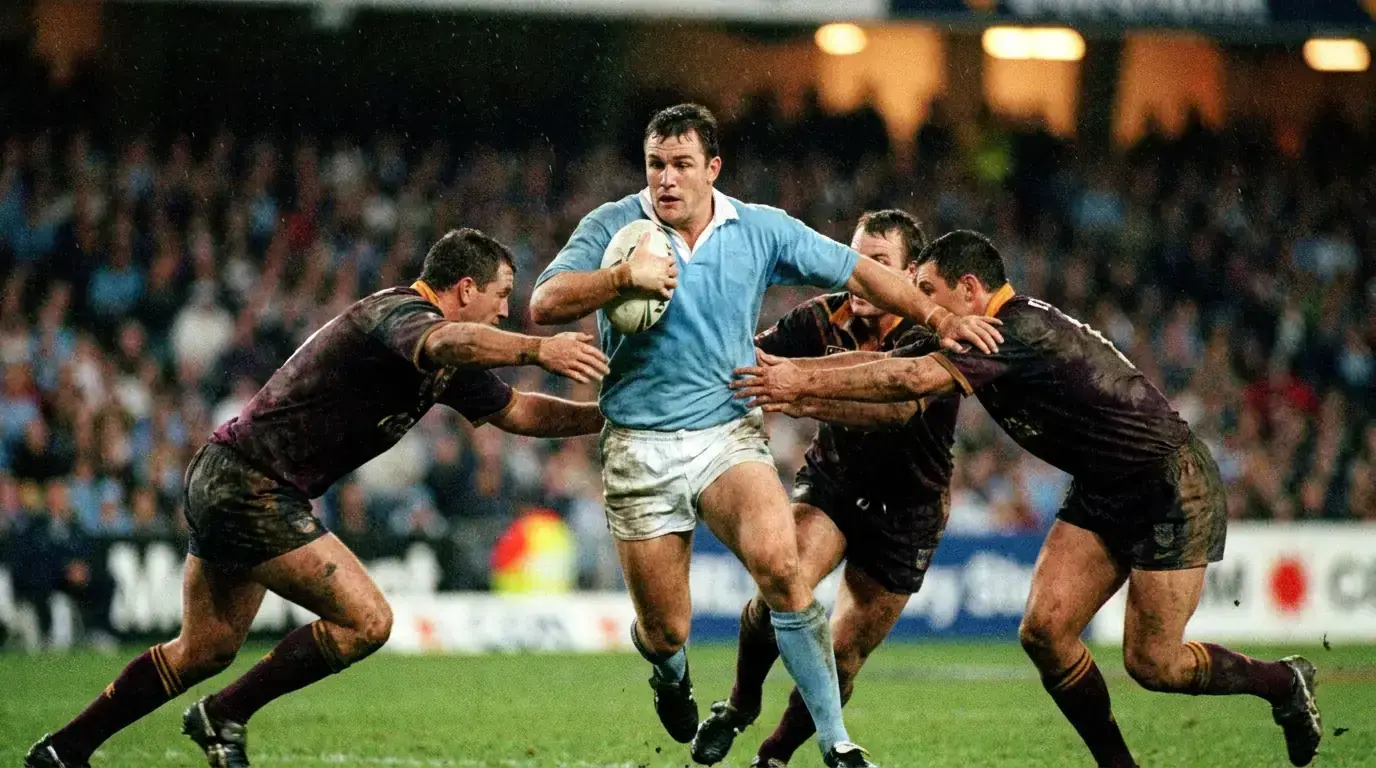
Where edge has still appeared in recent grand finals: the totals market in cool, dry conditions has favoured the over consistently. The reason is structural — grand finals attract maximum coaching ambition from both sides, attacking expansion is the dominant tactical mode, and the bookmaker’s model averages across years of varied conditions. In years where the weather is genuinely dry, the totals line tends to be set conservatively, and the over has hit at a rate above its implied probability across recent samples.
The handicap on grand finals is more efficient. The market has had a full week to absorb information and the line that settles on Saturday afternoon is usually within half a point of fair value. Outright value on either side at the moneyline is hard to find. The genuine edge in grand-final week sits in props and totals, not in main lines.
The home-state and supporter-distribution effect
NRL finals played at neutral venues with mixed crowds produce different dynamics from regular-season home fixtures. The neutral venue eliminates the crowd-driven home advantage that drives regular-season handicap pricing, and matches between sides with similar travel demands and supporter bases approach genuine coin-flip territory regardless of what the regular-season ladder suggests.
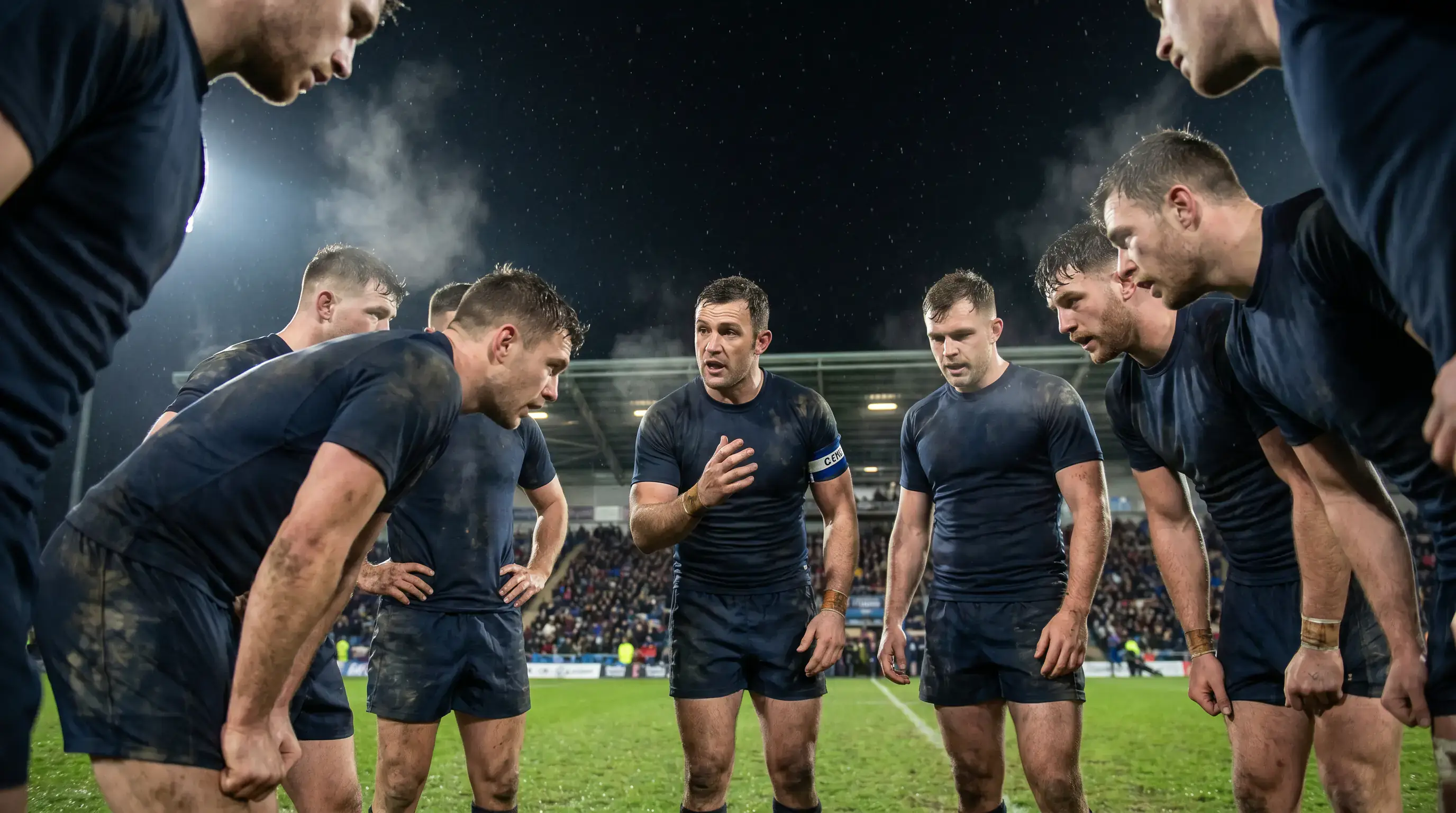
Where home-state effects do still matter: finals matches with one Sydney side and one non-Sydney side. The Sydney sides typically have larger travelling supporter bases at Accor Stadium fixtures, and that crowd asymmetry produces a small but measurable handicap edge for the Sydney side. The bookmaker prices this lightly; the bettor who tracks crowd-composition data can sometimes find value on Sydney sides at fixtures the casual market treats as fully neutral.
How to actually price the bracket pre-finals
My framework for pricing NRL finals at the start of September: discount the minor premier by 15-20% relative to the bookmaker’s published outright. Add a corresponding bonus to sides that finished third through sixth with strong recent form, with the largest bonus going to the side with the best win-loss record across rounds 22-26. Treat the bottom three finalists as long-shots whose path to the grand final requires four consecutive wins — possible but heavily handicapped.
That framework has consistently identified outright value over recent seasons. The minor premier is the wrong bet roughly two-thirds of the time. The mid-bracket sides with finishing-stretch momentum are the right bet more often than the public realises. The bottom-feeders occasionally produce dramatic runs but are not betting value at their published prices unless something specific has changed about their squad mid-finals.
For broader coverage of NRL prop pricing patterns, see my full coverage of NRL prop bets.
The week-by-week discipline
NRL finals reward bettors who treat each week as its own pricing exercise rather than chasing an early outright bet through the bracket. Week-one elimination finals have specific dynamics. Week-two semi-finals after the second-chance round have different dynamics. Preliminary finals are their own pricing exercise. The grand final is its own again. A bettor who prices each week individually and sizes positions accordingly will outperform a bettor who places a single outright bet in early September and rides it through. The variance across the four-week bracket is too wide for early outright bets to retain value through the noise.
