

Why the Six Nations punishes lazy thinking
Every February, I watch a familiar pattern. Casual bettors back England because they recognise the badge, back France because they had a good autumn, and back Ireland because they always seem to win. By the end of round three, half the futures tickets are already dead, and the punters who placed them are blaming injuries or referees.
The Six Nations is the most predictable irregular tournament in world rugby. Roughly 5% of global sports bettors stake on rugby, and a disproportionate share of that volume lands on this competition during its six-week window. The patterns are knowable. The mistake most punters make is assuming this year will look like last year, when the schedule itself almost guarantees it will not.
Tournament structure that bettors keep getting wrong
The Six Nations rotates home advantage on a fixed schedule. Each team plays five matches — three home and two away one year, then two home and three away the next. That single fact distorts every outright market in ways most casual punters never properly price.
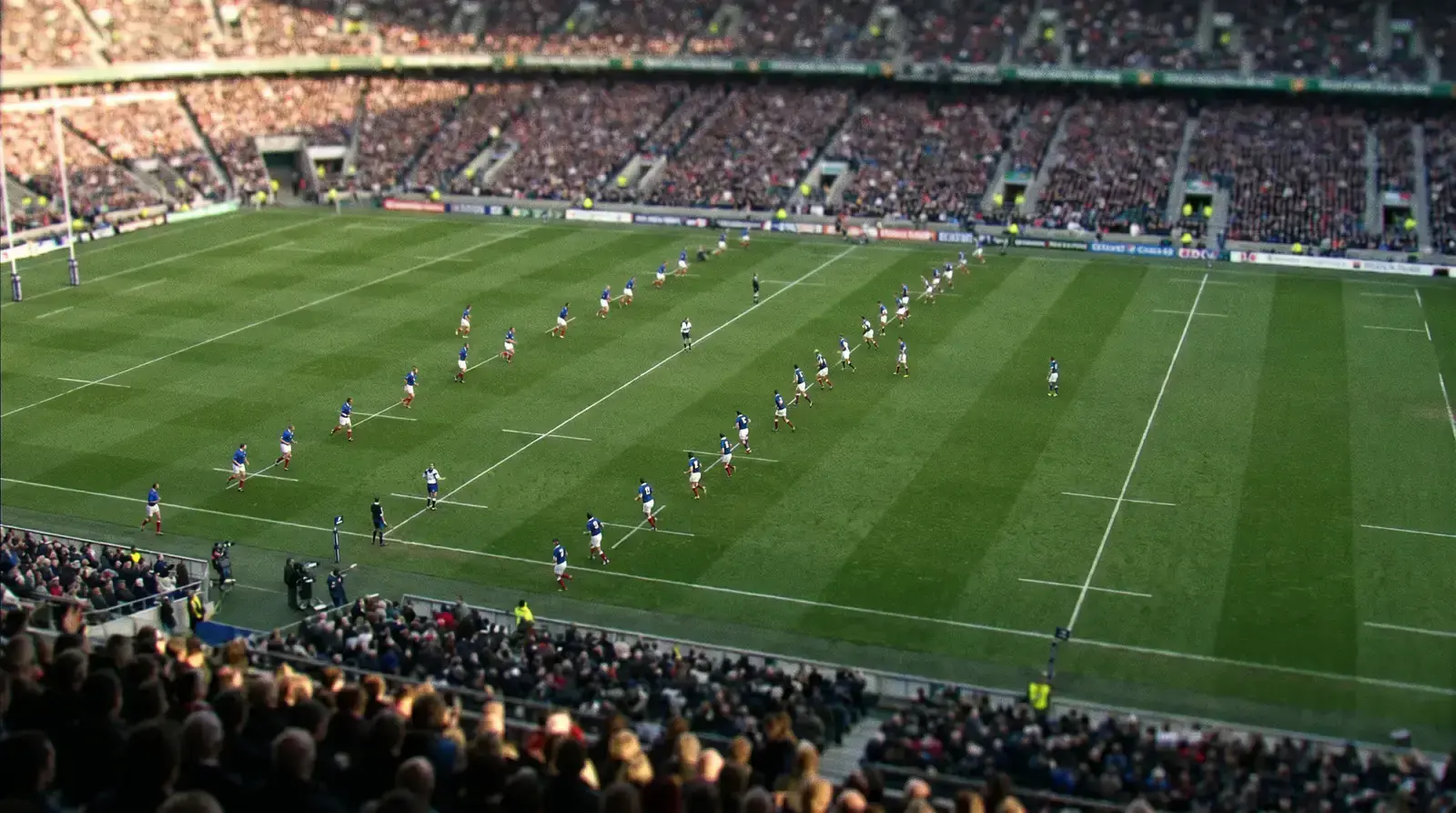
A side with three home games against the weaker fixtures in the rotation has a structural advantage worth several percentage points on the outright market. A side with three away games — particularly if two of those are against the top-three contenders — is fighting gravity from round one. When I model Six Nations futures, the very first adjustment I make is to the home-away split, before I touch form, squad depth or coaching changes.
The bonus-point system layered on top of this changes incentives further. A four-try bonus rewards attacking expansion; a losing bonus point rewards staying within seven of a stronger side. Coaches openly target the bonus structure rather than the title in any season where the outright is out of reach, and the betting markets reflect that — but slowly. The bookmaker prices the bonus-point bet by recent form; the sharp model prices it by tactical incentive in that specific match.
The home-away cycle in Six Nations rotation
If you only remember one thing about Six Nations betting, remember this: home advantage in this tournament is enormous, and it is not symmetric. Italy at home against France is a different question from France at home against Italy. The crowd, the travel, the kicker’s familiarity with the venue, the referee allocation — none of these are evenly distributed.

The Stade de France produces consistently different totals from Murrayfield, even when the same two sides play. Twickenham in March behaves differently from Twickenham in February because the pitch carries more wear. The Aviva Stadium has historically been the hardest venue in the tournament for visiting kickers, because the swirling wind off Dublin Bay refuses to settle into a single pattern.
When I price a Six Nations match, the home venue gets a baseline adjustment of three to six points depending on the matchup. Saturday afternoon matches at venues with capped capacity have produced higher home conversion than evening kick-offs across the past three tournaments. None of these are secrets, but they require a deliberate process to factor in.
Weather and pitch in the Six Nations
February in Edinburgh is not February in Rome. The Six Nations is the only major rugby tournament played across genuinely divergent climates in the same week, and the weather skew matters more here than in any other competition I price.
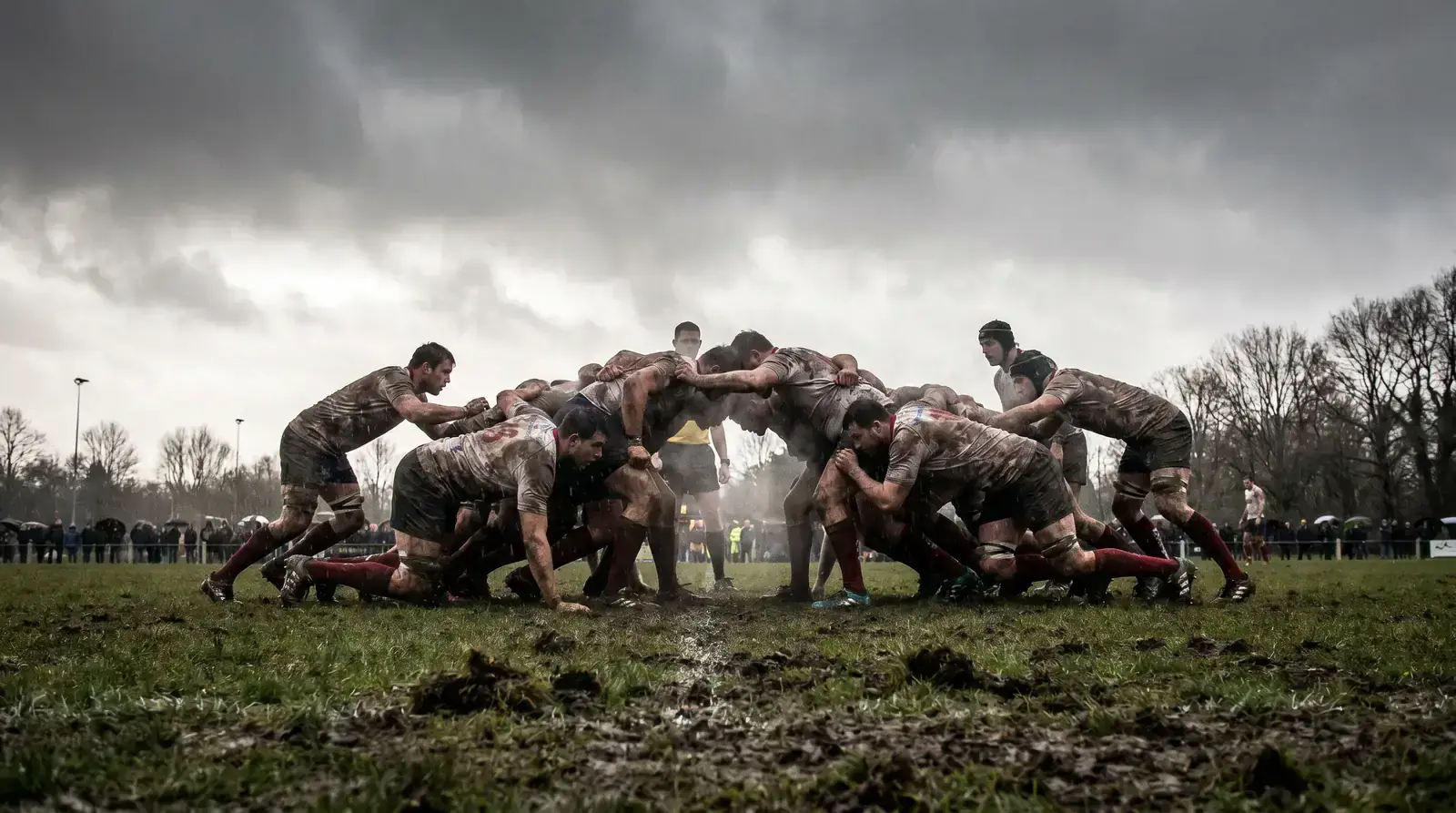
Wet matches in Dublin and Edinburgh historically produce totals four to six points below expectation. Sunny conditions at the Stadio Olimpico in Rome — and there are more of those than people remember — produce totals two to three points above. Wind matters even more than rain: a swirling sideline wind ruins kicking accuracy, and Six Nations sides without a backup goal-kicker leak points fast in those conditions.
The casual punter checks the forecast on Saturday morning and assumes the market has already adjusted. Sometimes it has. Often the line moved on Friday afternoon when the BBC forecast firmed up, and the Saturday-morning price is broadly accurate. The edge is in catching the early forecast change before the line moves — which means watching the weather from Thursday onwards on matches you intend to bet.
Grand Slam and Triple Crown markets
Grand Slam betting is a four-match parlay disguised as a single bet. To win the Slam, a side must take five matches in a row, three home and two away. The implied probability the bookmaker prices in is rarely flattering — even dominant sides like Ireland in their best seasons have priced around 4.00 to 5.00 for the Slam at tournament opening.

The maths is brutal. A side that wins each of its five matches with 70% probability has a Slam probability of 0.70 to the fifth power — roughly 17%. A fair price would be 5.90. Most pre-tournament Grand Slam prices imply that level of probability or higher, which means the market is pricing the favoured side aggressively from the start.
Where I have found value historically is in the Triple Crown — the mini-trophy contested between England, Ireland, Scotland and Wales. The market for the Triple Crown is thinner than the Grand Slam market, and the prices on offer for second-favourites are often softer because the casual money concentrates on the headline outright. A Scotland side with a kind home schedule and one decent away result is a recurring Triple Crown edge that the wider market consistently underprices.
Round-by-round rhythm
The Six Nations does not move at a constant pace. The first three rounds are exploratory — coaches test combinations, the standings flatter early winners, and the public bets emotionally on round-one form. Rounds four and five are where the tournament actually decides itself, and that is where the betting markets sharpen dramatically.
Online gross gambling yield in the UK rose 21% year-on-year in Q4 2024, driven primarily by real-event betting up 38%. The Six Nations sits at the heart of that flow. Liquidity floods in around Super Saturday — the final weekend — and the prices that day are as efficient as rugby markets get all year. If you want a market edge, find it in round one or round two, when the lines are still absorbing how the tournament is actually unfolding.
My personal rhythm: outright Grand Slam and championship bets settled by Sunday of round one, individual match bets framed against the model rather than the outright picture, and a deliberate avoidance of Super Saturday futures unless something specific has gone wrong with the market. The structural edge in this tournament lives in the early weeks. By round five, the bookmaker has consumed too much information to leave reliable gaps.
Where casual punters lose money in February
Three patterns that I see year after year. First, backing the side with the best autumn — autumn internationals correlate weakly with Six Nations performance because the squads, the conditions and the motivation are all different. Second, doubling down after a round-one loss — losing matches in this tournament shift outright odds violently, and chasing the new favourite at compressed prices is a recipe for poor closing line value. Third, ignoring referee allocation — certain officials produce materially higher penalty counts, which inflates totals and shifts handicap dynamics. A sharp model knows which referees are scheduled for which matches a week in advance.
If you intend to bet the Six Nations seriously this year, start with the home-away split, layer on the weather forecast as it firms, watch round-one closely for genuine signal, and resist the urge to back the early narrative. The tournament rewards patience. The bookmakers reward impatience. That gap is where the edge lives.
For a deeper look at how weather specifically shifts rugby pricing across all major competitions, see my full breakdown on rugby weather and betting.
